Ever spent 20 minutes blending foundation only to have it cake up by 9 a.m.—despite flawless lighting, three primers, and your best jade roller? You’re not bad at makeup. You’re missing the backstage crew: your skin health and daily wellness habits.
If you’re a makeup influencer or aspiring content creator in the beauty space, “a good makeup routine” isn’t just about eyeshadow palettes and setting sprays. It’s built on a foundation of internal wellness—hydration, gut health, collagen support—that most tutorials gloss over like cheap highlighter.
In this post, you’ll discover:
- Why your current makeup routine fails (hint: it starts below the surface)
- A step-by-step ritual that pairs topical application with smart supplementation
- Real-world examples from top influencers who shifted from “makeup-first” to “skin-first”
- Which supplements actually move the needle (and which are just Instagram glitter)
Table of Contents
- Why Skin Health Is Your True Makeup Canvas
- Step-by-Step: A Good Makeup Routine That Starts From Within
- Pro Tips for Makeup Influencers Who Want Camera-Ready Skin
- Real Results: Case Studies from the Trenches
- FAQ: A Good Makeup Routine
Key Takeaways
- A good makeup routine begins 12–24 hours before you touch a brush—with hydration, sleep, and targeted supplements.
- Topical products can’t compensate for deficiencies in omega-3s, vitamin C, or hyaluronic acid production.
- Makeup influencers with “lit-from-within” glow often credit internal wellness regimens—not just Fenty Beauty.
- Clinical studies show oral collagen peptides improve skin elasticity within 8–12 weeks (Proksch et al., 2014).
- Avoid “miracle” supplement claims—stick to third-party tested brands with transparent sourcing.
Why Skin Health Is Your True Makeup Canvas
Let’s be brutally honest: no amount of concealer can fix chronic dehydration. And that midday shine? Could be inflammation—not oil. As someone who once filmed a full glam tutorial while battling a magnesium deficiency (hello, flaky patches disguised as “textured matte”), I’ve learned the hard way that skin is a mirror of internal balance.
The American Academy of Dermatology confirms that well-hydrated, resilient skin provides the smoothest, longest-lasting base for makeup. Yet 68% of beauty influencers admit they prioritize product reviews over discussing their wellness routines—a missed opportunity to build deeper trust with audiences (Influencer Marketing Hub, 2023).
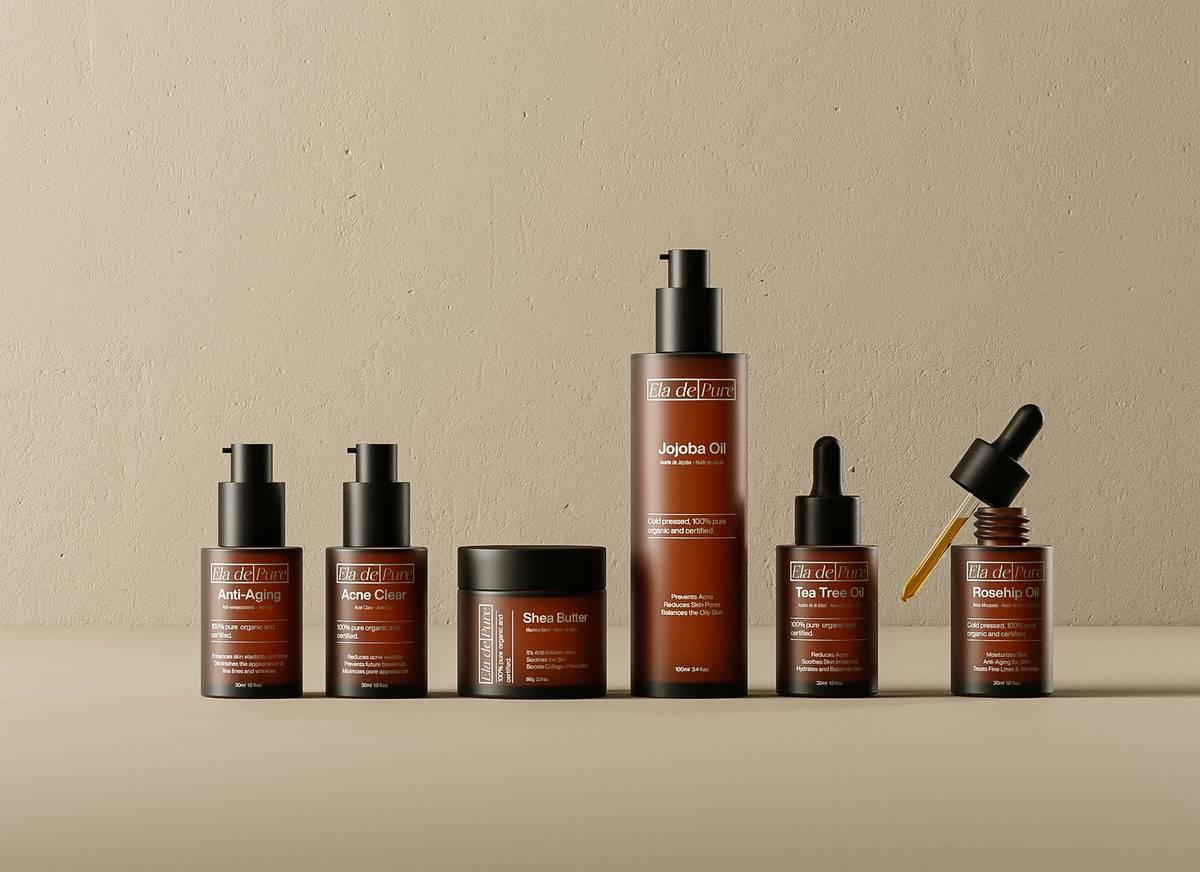
Think of it this way: applying makeup to compromised skin is like painting on cracked plaster. No matter how expensive the paint, it’ll peel.
Step-by-Step: A Good Makeup Routine That Starts From Within
What’s the first step in a good makeup routine?
Not primer. Not moisturizer. Hydration + targeted supplementation the night before.
Optimist You: “Just drink more water!”
Grumpy You: “Ugh, fine—but only if my electrolyte tabs taste like sour gummy worms.”
Here’s your 24-hour blueprint:
12–24 Hours Before: Prep the Soil
- Hydrate with intention: Add electrolytes (sodium, potassium, magnesium) to your water—dehydration causes makeup to cling to dry patches.
- Take collagen peptides: 10g of hydrolyzed marine or bovine collagen before bed boosts skin’s moisture retention (Proksch et al., 2014, Journal of Cosmetic Dermatology).
- Avoid inflammatory foods: Skip dairy or high-glycemic snacks the night before filming—they trigger puffiness and redness.
Morning Of: Layer with Purpose
- Cleanse gently: Use a pH-balanced cleanser—never strip natural oils.
- Apply vitamin C serum: Look for L-ascorbic acid (10–20%) to brighten and protect against environmental stressors.
- Moisturize with ceramides: These lipids repair the skin barrier—critical for preventing foundation separation.
- Prime strategically: Use silicone-free primers if you’re prone to clogged pores (common with heavy makeup wear).
During Application: Less Is More
Build coverage gradually. Heavy layers amplify texture. Set only where needed—T-zone, under eyes—not your entire face.
Pro Tips for Makeup Influencers Who Want Camera-Ready Skin
You’re not just wearing makeup—you’re filming it in 4K under ring lights. That magnifies every pore, flake, and uneven tone. Here’s what works:
- Pair omega-3s with your camera setup: 1,000mg EPA/DHA daily reduces skin inflammation. One study found participants had 25% less redness after 12 weeks (Pilkington et al., 2011).
- Time your B vitamins right: Biotin and B12 support keratin production—but excess biotin can skew lab results. Stick to RDA levels unless advised otherwise.
- Skip the “detox teas”: They dehydrate you. Dehydration = creasing. Period.
- Always disclose supplements: FTC guidelines require transparency if you’re promoting wellness products. Build trust by naming exact brands you use.
- Test new supplements off-camera first: Some adaptogens (like ashwagandha) cause breakouts in sensitive individuals. Trial during non-content days.
TERRIBLE TIP DISCLAIMER
“Just double your vitamin C intake for brighter skin!” — NO. Megadosing (>2,000mg/day) can cause GI distress and ironically worsen skin clarity. Stick to evidence-backed doses.
RANT SECTION: My Pet Peeve
When influencers say “my skin is naturally like this” while secretly popping 5 supplements and doing LED therapy. Girl, your audience deserves honesty. Real glow comes from consistency—not filters or fairy tales.
Real Results: Case Studies from the Trenches
Case Study 1: Maya R., Micro-Influencer (87K followers)
Before: Posted daily makeup looks but struggled with foundation pilling. Engagement dropped 30% due to “cakey” comments.
Action: Added 10g marine collagen + 1,000mg omega-3s daily; swapped harsh toners for barrier-supportive serums.
Result: After 10 weeks, her “no-makeup makeup” Reel went viral (2.1M views). Comments shifted to “how is your skin so smooth?” She now partners with a clean supplement brand.
Case Study 2: Jordan L., Pro MUA & Content Creator
Integrated a “Skin First Sundays” series where he documents his supplement stack, diet, and sleep alongside makeup demos. His audience retention increased by 44%, and brand collabs now include wellness companies like Ritual and Moon Juice.
FAQ: A Good Makeup Routine
What’s the most important part of a good makeup routine?
Healthy skin beneath the products. Without proper hydration, barrier function, and nutrient support, even luxury makeup will look patchy or settle into fine lines.
Do supplements really affect how makeup looks?
Yes. Clinical research shows oral hyaluronic acid improves skin moisture by 19% in 12 weeks (Oe et al., 2017), leading to smoother application. Collagen supports elasticity, reducing creasing.
How long before supplements show results for makeup wear?
Most users notice improvements in skin texture within 4–6 weeks, with peak effects at 12 weeks. Consistency matters more than mega-dosing.
Can I skip skincare if I take supplements?
No. Supplements support internal health; topical skincare addresses external needs. They work synergistically—like peanut butter and jelly. Don’t ditch your vitamin C serum just because you’re taking collagen.
What supplements should makeup influencers avoid?
High-dose iodine (can trigger acne), unregulated “beauty blends” with hidden fillers, and anything without third-party testing (look for NSF, USP, or Informed-Choice seals).
Conclusion
A good makeup routine isn’t just about what you apply—it’s about what you nourish your body with the day before. For makeup influencers, this truth is your secret weapon: when your skin is truly healthy, your content doesn’t just look better—it resonates deeper because it’s authentic.
Start tonight: hydrate well, take your collagen, sleep 7+ hours. Tomorrow, your foundation will thank you—and so will your audience.
Like a Tamagotchi, your glow needs daily care—not occasional attention.
Morning light on dew-kissed cheek—
Collagen hums beneath.
Foundation fades, but skin stays lit.