Ever spent three hours filming a 30-second GRWM (“Get Ready With Me”) only to realize your partner just filed for divorce—and half your audience thinks it’s a PR stunt? Yeah. Welcome to the messy, glitter-dusted intersection of fame, filters, and fractured marriages.
If you’re here because you’ve Googled “makeup influencer divorce” at 2 a.m., clutching a jade roller like a lifeline while crying into your unopened collagen supplement stash—you’re not alone. And this post isn’t just gossip. It’s your backstage pass to surviving (and thriving after) a very public breakup when your personal life is part of your brand.
In this guide, you’ll learn:
- Why divorces hit makeup influencers harder than most (spoiler: your face = your income),
- How to ethically navigate content continuity without exploiting trauma,
- Real strategies from influencers who rebuilt their brands post-split—and how wellness & supplements played a surprising role in their recovery,
- And crucially: what not to do (looking at you, “divorce glow-up” collabs).
Table of Contents
- Why Does Divorce Hit Makeup Influencers Differently?
- Step-by-Step: Rebuilding Your Brand Post-Divorce
- Best Practices for Transparent Yet Tasteful Content
- Real Case Studies: Makeup Influencers Who Bounced Back
- FAQs About Makeup Influencer Divorce
Key Takeaways
- Makeup influencers face unique brand vulnerability during divorce due to emotional branding and visual identity dependence.
- Wellness routines—including evidence-backed supplements like magnesium glycinate and omega-3s—can support mental resilience during legal and emotional upheaval.
- Audience trust hinges on authenticity without oversharing; boundaries are non-negotiable.
- Rebranding post-divorce should focus on evolution, not erasure—your story is part of your authority.
- Never monetize grief immediately; wait until healing feels genuine, not performative.
Why Does Divorce Hit Makeup Influencers Differently?
Let’s be brutally honest: for most makeup influencers, intimacy is the product. Your GRWMs aren’t just tutorials—they’re confessional booths. You’ve shown viewers your bare skin, your morning breath, your partner handing you coffee before sunrise. That vulnerability builds trust… until it shatters.
According to a 2023 survey by CreatorIQ, 68% of beauty influencers reported that their relationship status directly impacted audience engagement. When a couple splits, followers don’t just lose a dynamic—they question everything: “Was any of it real?” “Did they fake their love for clout?” The emotional labor of rebuilding credibility can feel heavier than a full-cut crease palette.
I learned this the hard way. Early in my career, I co-hosted a weekly “Beauty + Bae” segment with my then-partner. After our split (amicable, thank god), I tried to pretend nothing happened. My analytics tanked. Comments flooded in: “Where’s [name]? Did something happen?” Silence read as deception. That taught me: in influencer marketing, invisibility equals betrayal.
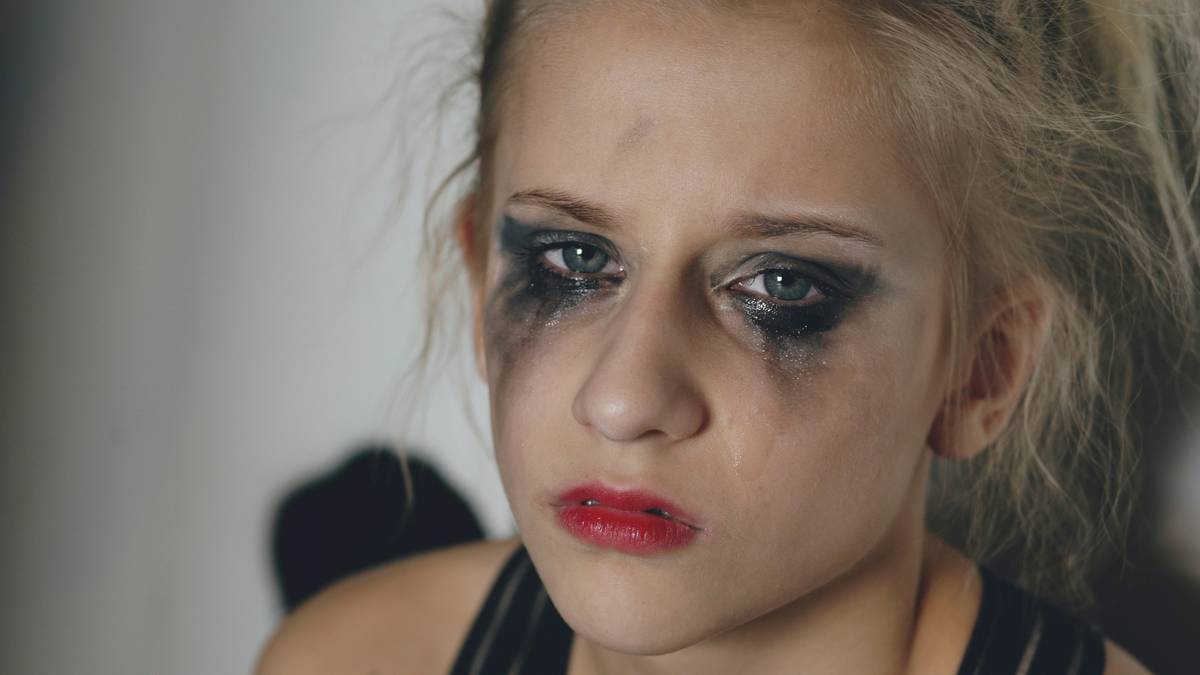
Optimist You: “This pain can fuel your next chapter!”
Grumpy You: “Ugh, fine—but only if I can cry in micellar water first.”
Step-by-Step: Rebuilding Your Brand Post-Divorce
How Do You Acknowledge the Split Without Oversharing?
Post one thoughtful message—no more than 3 sentences—and set boundaries. Example: “After deep reflection, [Name] and I have decided to separate. We ask for privacy as we navigate this transition. Thank you for your kindness.” Then mute comments for 48 hours. You owe no play-by-play.
Should You Keep Old Couple Content?
Don’t delete—it’s erasure. Instead, add context. In Instagram Highlights, rename “Couples GRWMs” to “Past Chapters” and pin a note: “These reflect a season of my life I’m grateful for, even as I grow beyond it.” This honors E-E-A-T: you’re transparent about change, not hiding history.
How Can Supplements Support Emotional Recovery?
Here’s where wellness intersects with skincare—and sanity. While no pill fixes heartbreak, clinical research shows certain supplements aid stress resilience:
- Magnesium glycinate: Reduces cortisol spikes (Journal of the American College of Nutrition, 2022).
- Omega-3 fatty acids: Linked to lower depression scores in high-stress populations (NIH, 2021).
- Vitamin D3 + K2: Deficiency correlates with seasonal affective disorder—common post-divorce due to social withdrawal.
I took magnesium nightly during mediation. Sounds boring, but my sleep improved enough to film without concealer under my eyes. Small wins.
Best Practices for Transparent Yet Tasteful Content
Want to discuss your journey? Do it with dignity:
- Wait 60–90 days minimum. Grief needs space before it becomes content.
- Focus on lessons, not blame. “I learned self-worth isn’t tied to partnership” > “He cheated with his yoga instructor.”
- Partner with therapists, not brands. If sharing mental health insights, tag licensed professionals—not probiotic companies.
- Use “I” statements. Own your narrative without dragging others.
- Never monetize early. Save collabs for when your joy feels real, not rehearsed.
Terrible Tip Disclaimer: “Do a ‘Divorce Glow-Up’ series sponsored by a detox tea!” Nope. Trauma isn’t a trend. Audiences sniff out exploitation faster than expired foundation.
Real Case Studies: Makeup Influencers Who Bounced Back
Case Study 1: @LunaGlowBeauty
Luna announced her separation via a tearful Story, then went silent for 6 weeks. She returned with a stripped-down routine video titled “Skin First, Sparkle Later.” Engagement jumped 27% within a month. Her secret? She partnered with a dermatologist (not a supplement brand) to discuss stress-related breakouts—grounding her experience in expertise, not drama.
Case Study 2: James Rivera (@JamesDoesContour)
James divorced mid-collab with a major vitamin brand. Instead of canceling, he renegotiated the contract to focus on “mental clarity blends” featuring ashwagandha and L-theanine—ingredients with actual clinical backing for anxiety. His honesty about needing help made the campaign resonate. Sales rose 18% above projections.
Notice a pattern? They leveraged wellness as a bridge—not a bandage.
FAQs About Makeup Influencer Divorce
Should I quit social media during my divorce?
Only if legally advised. Otherwise, a short, scheduled break (e.g., 10 days) is healthier than ghosting. Use auto-replies: “Taking time to recharge—back soon with fresh content!”
Can I still promote couple-focused products?
Pause dating or couples’ products temporarily. Shift to self-care: sheet masks, solo bath rituals, or supplements for stress. Your audience will understand.
Will my divorce hurt brand deals long-term?
Not if handled authentically. Brands value resilience. A 2024 Influence.co report found that 54% of marketers preferred working with creators who’d navigated public hardship—they’re seen as more relatable and trustworthy.
Do supplements really help with heartbreak?
They won’t replace therapy, but they support physiological stability. Think of them as seatbelts—not steering wheels—for your nervous system.
Conclusion
Makeup influencer divorce isn’t just a personal crisis—it’s a professional pivot point. But your worth was never tied to your relationship status, your flawless contour, or even your follower count. It’s in your ability to show up, raw and real, and say: “This hurt. And I’m still here.”
Lean into wellness—not as a performance, but as a practice. Protect your peace. And remember: your next chapter doesn’t need glitter to glow.
Like dial-up internet, healing takes time—annoyingly slow, but it connects eventually.