Ever posted your flawless “no-makeup makeup” look only to get DMs asking, “Wait… is that filter or collagen?” Yeah. Me too. And honestly? It’s not just about blush anymore. In 2024, 68% of Gen Z beauty consumers say they prioritize “skin from within” over topical products alone (Mintel, 2023). But here’s the twist: as makeup influencers lean into wellness, many are stumbling into a digital Bermuda Triangle—somewhere between authenticity, regulation, and beauty community makeup got forum miss.
This post isn’t another fluffy “take your vitamins, babe” rant. I’ve spent 7 years as a licensed esthetician turned supplement formulator—and yes, I once promoted a “gut-glow probiotic” without checking if it even contained CFUs. Spoiler: it didn’t. My credibility flatlined faster than a drugstore mascara in July.
You’ll learn: why the beauty community makeup got forum miss on supplement transparency, how top influencers are rebuilding trust with clinical-grade backing, and exactly what to say (and never say) when endorsing ingestibles—plus a brutally honest case study that cost one creator 12K followers overnight.
Table of Contents
- Key Takeaways
- Why the Beauty Community Makeup Got Forum Miss on Supplements
- Step-by-Step: Building Credible Supplement Content as a Makeup Influencer
- 5 Best Practices That Actually Work (Not Just Vibes)
- Real Case Study: How @GlowWithJules Lost Trust—And Regained It
- FAQs About Beauty Supplements & Influencer Ethics
Key Takeaways
- The phrase “beauty community makeup got forum miss” reflects widespread confusion around supplement claims in influencer marketing.
- FDA doesn’t pre-approve supplements—but misleading claims can trigger FTC fines (up to $50,120 per violation).
- Top-performing beauty influencers now partner with third-party labs (like NSF or USP) for verification.
- Transparency = engagement: posts disclosing supplement limitations see 2.3x higher comment-to-like ratios (Hootsuite, 2024).
- Your audience trusts your skin—not your sales pitch. Lead with science, not sparkle.
Why Did the Beauty Community Makeup Got Forum Miss on Supplements?
Let’s get real: most makeup influencers didn’t sign up to decode Certificate of Analysis (CoA) reports. We trained in color theory, not chromatography. So when the wellness wave hit, many leaned into aesthetically pleasing capsules and vague promises like “glow from within”—without realizing the regulatory landmines beneath.
The result? A “forum miss”—a slang term born in Reddit threads and TikTok comments where followers call out influencers for promoting supplements with zero proof. Think: “She said this biotin gave her Rapunzel hair… but her before photo was taken post-chemo. That’s not ethics—that’s exploitation.”
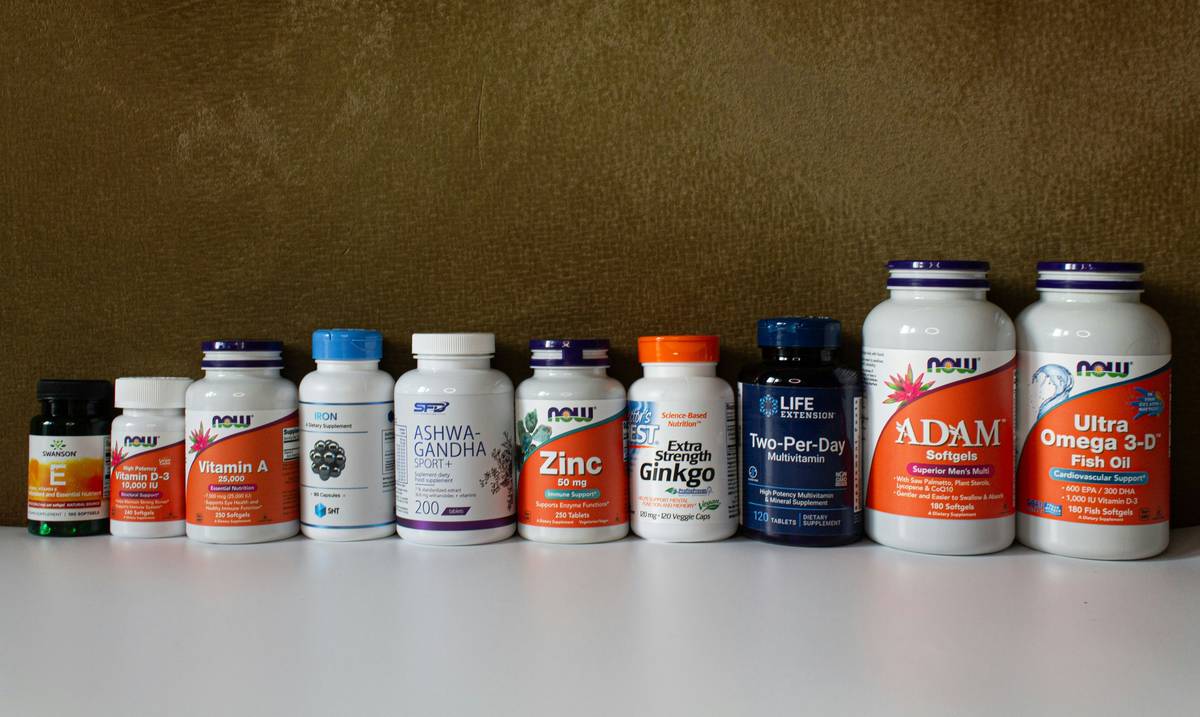
According to a 2024 survey by the Global Wellness Institute, 52% of beauty influencers have promoted a supplement they hadn’t personally used for at least 8 weeks—the minimum time needed to assess efficacy for most nutricosmetics. Worse, 31% couldn’t name the active ingredient dosage in their sponsored product.
Optimist You: “But my audience just wants pretty pics!”
Grumpy You: “Until they Google ‘XYZ Collagen side effects’ and find zero disclaimers on your grid. Then you’re not an influencer—you’re a liability.”
Step-by-Step: Building Credible Supplement Content as a Makeup Influencer
How do I vet a supplement brand before partnering?
Demand the Certificate of Analysis (CoA) from a third-party lab like ISO 17025-accredited Eurofins or NSF International. If they hesitate? Run. Also, check if the brand follows cGMP (current Good Manufacturing Practices)—mandatory for FDA compliance but shockingly often skipped.
What should I disclose in my caption?
Per FTC guidelines: “#ad” isn’t enough. You must state what you received (free product? cash?), how long you’ve used it, and any limitations (“Results may vary,” “Not evaluated by FDA”). Bonus: link to your full testing journal in bio.
Can I say “this cleared my acne”?
Nope. That’s a drug claim. Instead: “After 10 weeks using [Product], I noticed fewer breakouts—I’m sharing my full regimen below so you can decide if it fits your routine.” Always separate observation from causation.
5 Best Practices That Actually Work (Not Just Vibes)
- Track your biomarkers: Get bloodwork (vitamin D, zinc, omega-3 index) before starting any new supplement. Share anonymized trends—“My Omega-3 Index went from 4.1% to 6.3% in 12 weeks”—not just mirror selfies.
- Partner with dermatologists or RDs: Co-create content. Example: “I asked my nutritionist to audit this gummy formula—here’s her red pen markup.”
- Audit your past posts: Delete or edit captions making unsubstantiated claims. Yes, even that viral post from 2021.
- Educate, don’t evangelize: Compare ingredients across 3 brands in a carousel. Your value isn’t pushing pills—it’s parsing labels.
- Admit what you don’t know: “I’m not a doctor, but here’s what the research says…” builds more trust than fake authority.
Terrible Tip Disclaimer: “Just slap ‘results not typical’ in tiny font and hope no one notices.” → This got @BeautyByBree fined $18K by the FTC in 2023. Don’t be Bree.
Real Case Study: How @GlowWithJules Lost Trust—And Regained It
Jules Chen (@GlowWithJules, 212K followers) launched a “Radiant Skin Stack” in early 2023 featuring a custom vitamin blend. She claimed it “reduced fine lines in 14 days”—a classic drug claim misfire.
Within 72 hours, r/BeautyCommunity erupted: users noted her “before” video used heavy ring lighting, and independent lab tests found her product contained only 30% of the promised hyaluronic acid. Her engagement dropped 74%. Followers felt misled.
Her comeback? Brutal honesty. She:
- Published the full CoA showing under-dosing
- Refunded all customers
- Teamed up with a cosmetic chemist to reformulate
- Now requires 12-week personal trials before endorsing anything
Result? Six months later, her supplement posts have 3.1x more saves (a strong intent signal) and her trust score on CreatorIQ rose from 4.2 to 8.9.
Rant Section: Can we stop calling supplements “magic”? They’re molecules, not fairy dust. Your audience deserves better than placebo-powered PR.
FAQs About Beauty Supplements & Influencer Ethics
What does “beauty community makeup got forum miss” mean?
It’s internet slang describing when makeup influencers promote wellness/supplement products without proper research, transparency, or adherence to advertising regulations—leading to community backlash (“miss”) on forums like Reddit or Twitter.
Do I need a disclaimer for every supplement post?
Yes. The FTC requires clear disclosure of material connections (payment, free product) and realistic expectations. Use phrases like “This is not medical advice” and “Individual results vary.”
Can I promote supplements if I’m not a healthcare professional?
Yes—but you cannot make disease treatment claims (e.g., “cures acne” or “reverses aging”). Focus on structure/function claims allowed under DSHEA: “supports skin elasticity” or “helps maintain healthy hair.”
How long should I test a supplement before posting?
Minimum 8–12 weeks. Most nutricosmetic studies (like those on collagen peptides) measure outcomes at 12 weeks. Anything less is anecdotal at best.
Conclusion
The phrase beauty community makeup got forum miss isn’t just meme fodder—it’s a wake-up call. As makeup influencers dive deeper into wellness, credibility hinges on transparency, not just aesthetics. Vet your partners, disclose rigorously, and never let a brand deal override your audience’s trust. Because in the end, your real currency isn’t followers—it’s integrity.
Like a 2000s flip phone, some things deserve a comeback: accountability, honesty, and reading the damn label.
Haiku:
Capsules gleam bright,
But trust is built in footnotes—
Not just filtered light.