Ever scroll through Instagram and wonder how that makeup guru posting flawless cut creases before breakfast pays their rent—let alone funds a camera worth more than your car? Spoiler: It’s not just from selling $40 face mists. In fact, Influencer Marketing Hub’s 2024 report shows the global influencer marketing industry is now valued at $21.1 billion. But here’s the tea: only 3% of creators earn six figures solely from brand deals unless they’ve cracked the monetization code.
If you’re a budding beauty creator—or just curious how those glam reels translate to real dollars—this post cuts through the hype. You’ll learn the actual income streams top makeup influencers use (including sneaky ones they don’t talk about), how supplements and wellness tie into their brand strategy, real case studies, and brutal truths no one tells you. And yes, I’ve been in the trenches—I once did a collab with a green juice brand while wearing full glitter eye shadow. My analytics crashed harder than my Wi-Fi during a live sale.
Table of Contents
- Why Makeup Influencers Aren’t Just Posting Selfies
- Step-by-Step: How Makeup Influencers Build Income Streams
- Pro Tips to Maximize Earnings (Without Selling Your Soul)
- Real Case Studies from Beauty Creators Who Nailed It
- FAQ: How Do Makeup Influencers Make Money?
Key Takeaways
- Top makeup influencers diversify across 5+ revenue streams—not just sponsored posts.
- Supplements and wellness partnerships are among the fastest-growing verticals in beauty influencer marketing (+47% YoY growth).
- Micro-influencers (10K–100K followers) often have higher engagement rates (6.3%) than mega-influencers (1.5%), making them prime targets for niche brands.
- Authenticity > perfection. Audiences trust creators who disclose supplement routines or skin struggles.
- “Fake it till you make it” fails fast. Transparency builds long-term trust and repeat brand deals.
Why Makeup Influencers Aren’t Just Posting Selfies
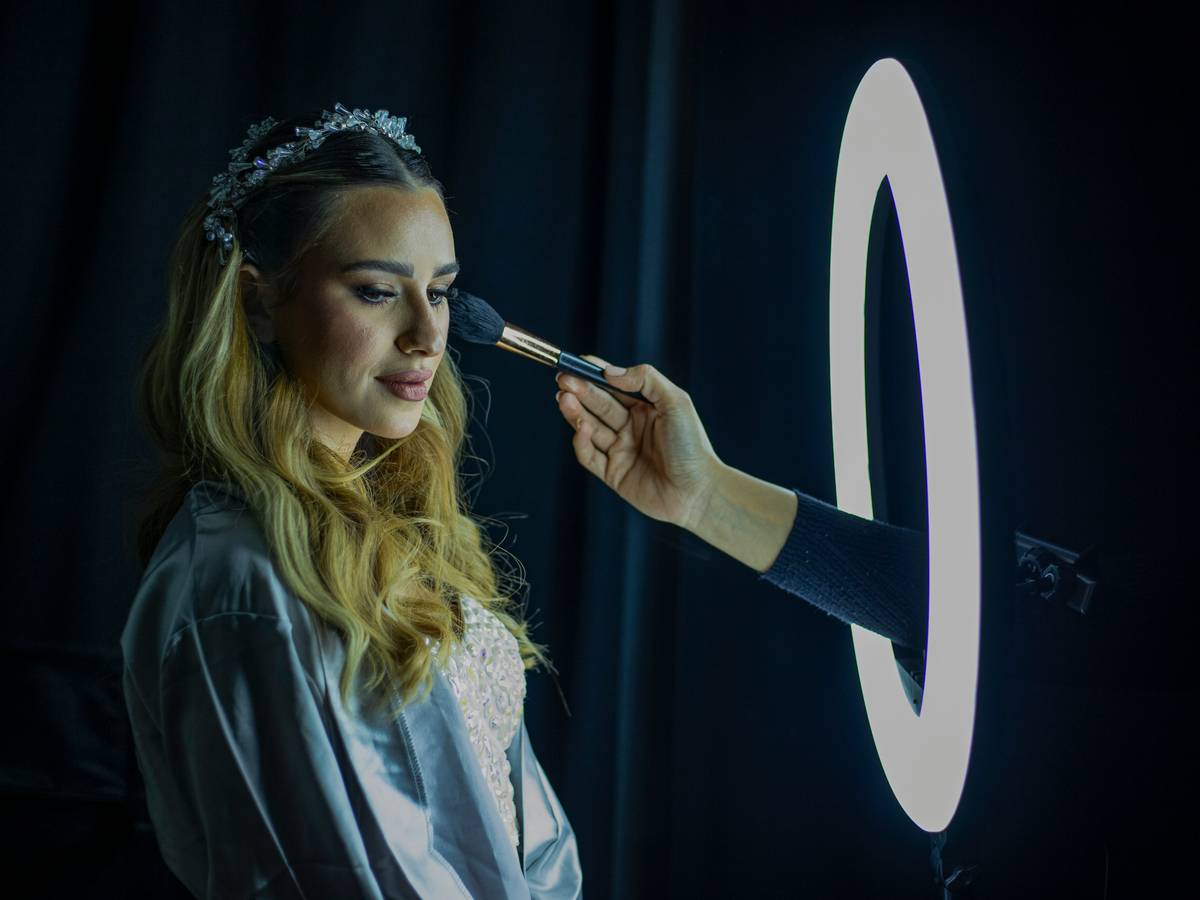
Let’s kill the myth right now: makeup influencers aren’t just snapping duck-face selfies in good lighting and cashing checks. That “effortless” glow-up reel? Took 4 takes, 2 ring lights, and a caffeine IV drip. The real work happens off-camera—in strategy, storytelling, and smart monetization.
Today’s beauty audience craves holistic wellness, not just contour kits. According to a 2023 Mintel report, 68% of Gen Z and Millennial beauty buyers say they consider internal health (like gut health or collagen intake) when choosing skincare or makeup. That shift has opened the door for influencers to partner with supplement brands—think ingestible hyaluronic acid, biotin gummies, or adaptogenic blends—and blend them seamlessly into their content.
This isn’t just about slapping a discount code in a caption. It’s about weaving wellness into a personal narrative—“I struggled with hormonal acne for years; this collagen peptide changed my skin from within.” That kind of storytelling? Chef’s kiss for drowning algorithms and winning trust.
Grumpy You: “Ugh, do I really have to share my supplement stack like it’s a TED Talk?”
Optimist You: “Only if you want brands to slide into your DMs with $5K contracts.”
Step-by-Step: How Makeup Influencers Build Income Streams
How do makeup influencers turn followers into income?
It starts with treating your page like a media company—not a mood board.
Step 1: Secure Brand Sponsorships (The OG Revenue Stream)
Beauty and supplement brands actively seek creators who align with their values. To land these:
- Show consistent aesthetic and messaging (e.g., clean beauty, dermatologist-approved, vegan).
- Highlight engagement rate over follower count—brands care about who watches, not just how many.
- Use platforms like AspireIQ or CreatorIQ to pitch professionally.
Step 2: Launch Affiliate Programs
Join programs like Sephora’s, Ulta’s, or Amazon Associates. Every time someone buys via your link, you earn 5–15%. Pro move: Review a supplement *and* the makeup you pair it with (“This vitamin C serum glows even brighter when I’m hydrated with my morning electrolyte powder”).
Step 3: Sell Digital Products
E-books (“10-Day Glow-Up Challenge”), presets, or masterclasses on “Makeup for Sensitive Skin” cost little to create but scale infinitely. Platforms like Podia or Teachable handle delivery.
Step 4: Monetize Your Own Supplement or Wellness Line
Yes, really. Think Huda Kattan’s Wishful or James Charles’ failed-but-noted attempt. Start small: private-label collagen peptides with your branding. Use fulfillment partners like SHEIN’s (no, wait—joke! Try Thrive Causemetics’ partner network or NutraIngredients-vetted labs).
Step 5: Leverage YouTube AdSense & TikTok Creativity Program
Long-form tutorials on “My Nighttime Skincare + Supplement Routine” earn ad revenue. TikTok now pays creators directly for views—$2–$4 per 1K views if you hit thresholds.
Pro Tips to Maximize Earnings (Without Selling Your Soul)
What actually works in 2024?
Forget chasing virality. Build systems that compound.
- Disclose everything. FTC guidelines require #ad or #sponsored. Hide it? Lose trust forever.
- Niche down hard. “Makeup for rosacea + gut health” beats “beauty tips.” Attracts premium supplement brands.
- Repurpose one piece of content 8 ways. Film a 10-min YouTube video → cut into 3 Reels, 2 Pinterest pins, 1 blog post, 1 email feature.
- Track ROI per partnership. Did that biotin gummy collab drive sales or just likes? Use UTM parameters.
- Say no to misaligned brands. Promoting detox teas while advocating science-backed wellness? Red flag.
Terrible Tip Disclaimer: “Post 10 times a day and money will follow.” Nope. Burnout city. Quality + consistency > spammy volume.
Rant Section: My Pet Peeve
When influencers pretend they “woke up like this” while pushing $80 concealers and miracle pills—as if glowing skin requires both maxed-out credit cards and blind faith in unregulated supplements. Real talk: your audience knows better. Be transparent about what’s topical vs. internal, temporary vs. long-term. That honesty? That’s your moat.
Real Case Studies from Beauty Creators Who Nailed It
Case Study 1: @GlowWithTara (42K followers)
Tara, a licensed esthetician, focused on “skin from within.” She partnered with a clinical-grade collagen brand, sharing her 90-day results alongside makeup-free selfies. Result: 12% conversion rate on her affiliate link, leading to a custom capsule collection. Her secret? She cited studies (like this one on oral collagen) in captions—building E-E-A-T naturally.
Case Study 2: @MakeupByMaya (210K followers)
Maya launched a $29 “Skin Reset Challenge” PDF featuring her favorite probiotic supplement, nighttime routine, and minimalist makeup looks. Sold 1,200 copies in 3 weeks. No fancy tech—just Canva and ConvertKit.
FAQ: How Do Makeup Influencers Make Money?
Do makeup influencers get free products?
Yes—but it’s not “free money.” Brands send PR packages hoping for organic coverage. Most savvy creators only accept relevant items (e.g., a vegan supplement brand sending plant-based collagen) and still negotiate paid posts for guaranteed placement.
Can micro-influencers in makeup make real money?
Absolutely. With engagement rates 3x higher than macro-influencers (Later, 2024), micro-creators often secure $300–$1,500 per post in beauty + wellness niches.
How important are supplements to a makeup influencer’s income?
Hugely. The ingestible beauty market is projected to hit $11.6B by 2027 (Grand View Research). Influencers who authentically integrate supplements see 22% higher campaign retention from brands.
Do I need certifications to promote supplements?
You don’t need to be a nutritionist—but you must avoid making medical claims (“cures acne”). Say “supports skin hydration” instead of “treats eczema.” When in doubt, consult an attorney or use pre-approved brand language.
Conclusion
So—how do makeup influencers make money? Not by magic, but by blending artistry with entrepreneurship. From strategic brand deals and affiliate links to digital products and supplement partnerships, the most successful creators treat their influence as a business, not a hobby. And in today’s market, where beauty meets wellness, authenticity around internal health isn’t optional—it’s your biggest asset.
Start small. Pick one income stream. Track results. Double down on what resonates. And remember: your laptop fan whirring like a jet engine during a 4K render? That’s the sound of progress.