Everyone claims to be a “makeup guru” now. Instagram feeds overflow with filtered selfies, sponsored posts, and hollow tutorials. But when your brand’s reputation—or your skin’s health—is on the line, you can’t afford to trust just anyone. The real problem? Most so-called experts have zero formal training, no clinical understanding of ingredients, and no accountability beyond follower counts. Here’s how to find actual industry expert makeup talent—before you waste time, money, or credibility.
Why 95% of “Makeup Experts” Fail the Real-World Test
Algorithm-driven fame ≠ expertise. A viral Reel doesn’t prove someone understands color theory, skin physiology, or product formulation. Many influencers recycle trends without knowing why they work—or when they’ll backfire.
And that’s dangerous. Recommending comedogenic oils to acne-prone clients? Pushing expired pigment stacks as “vintage”? It happens daily.
The math is simple: true industry expert makeup how to find hinges on credentials, consistency, and critical thinking—not collab tags or camera angles.
Industry Expert Makeup How to Find: A Vetted Framework
Forget chasing clout. Use this three-step filter:
Educational Background Over Engagement Metrics
Look for certifications from recognized institutions (CIDESCO, Aveda, Make-Up Designory). Bonus if they’ve studied dermatology basics or cosmetic chemistry. Followers lie. Diplomas don’t.
Product Knowledge Depth vs. Brand Loyalty
Real experts compare formulations—not just shades. They’ll explain why hyaluronic acid behaves differently in serums versus setting sprays. They critique, not just promote.
Client Results Beyond the Camera
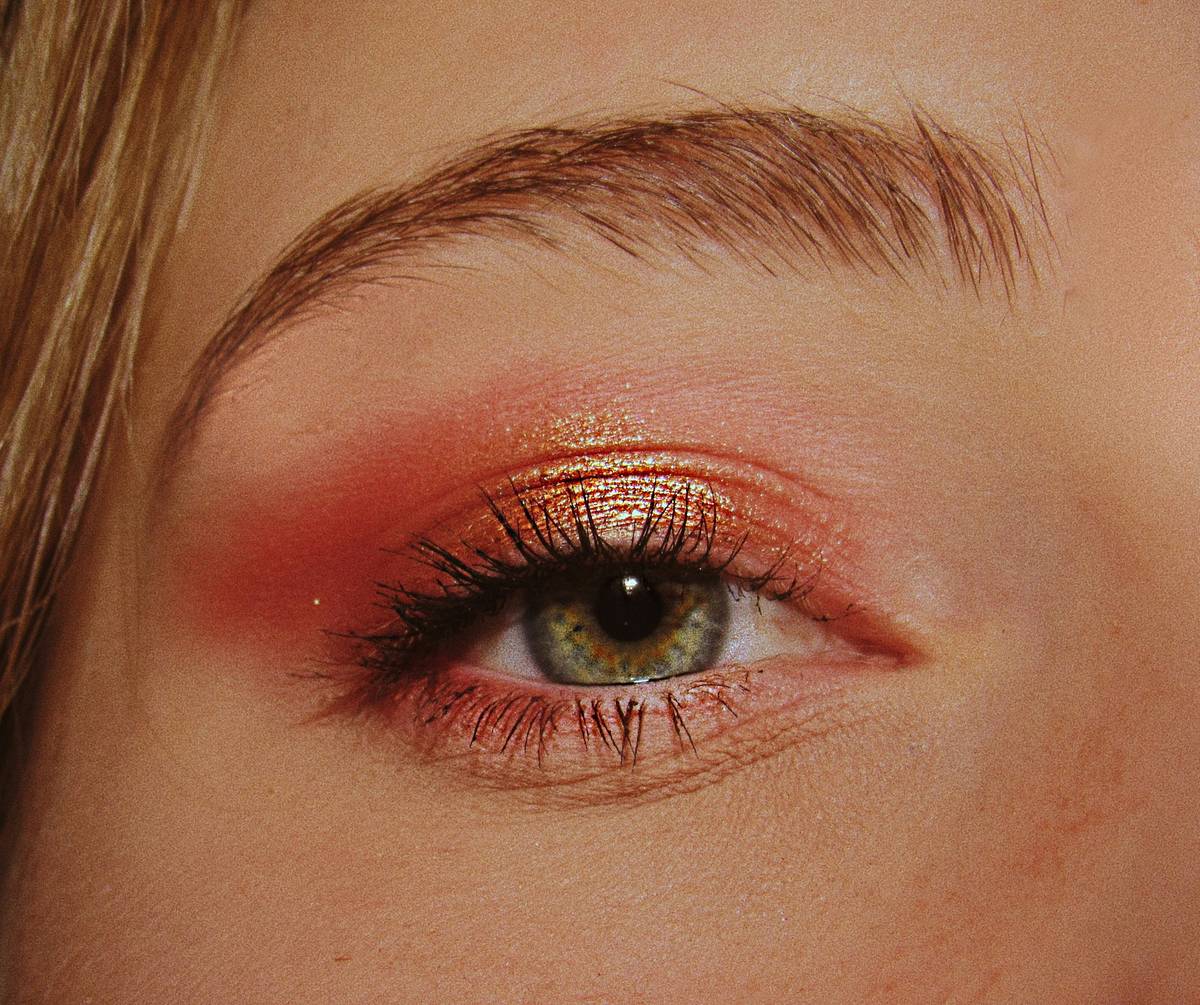
Ask for off-camera, natural-light before-and-afters. No ring lights. No heavy retouching. Skin texture shouldn’t vanish—it should look healthier.
| Criteria | Self-Taught Influencer | Certified Industry Expert |
|---|---|---|
| Training | YouTube tutorials + trial/error | Accredited programs + hands-on mentorship |
| Ingredient Literacy | Names brands, not actives | Explains pH, stability, penetration depth |
| Approach to Trends | Jumps on every TikTok fad | Evaluates safety + suitability first |
| Accountability | Deletes negative comments | Addresses client concerns publicly |
The Industry Secret Nobody Talks About: The “Skin First” Filter
Here’s what separates elite artists: they treat makeup as secondary to skin health. I once watched a top-tier editorial artist decline a high-paying gig because the model had active rosacea—and the requested full-coverage foundation would’ve worsened inflammation. That’s ethics over exposure.
True experts collaborate with estheticians. They patch-test. They know when not to apply product. And they’ll tell you that—because their priority isn’t looking good on screen. It’s making you feel good in your skin.
FAQ
What qualifications should a legitimate makeup industry expert have?
Look for accredited certifications, ongoing education in skincare science, and a portfolio showing diverse skin types—not just flawless models under studio lighting.
Can social media influencers be real industry experts?
Rarely. Some combine influence with formal training—but vet their credentials separately from follower count. Popularity ≠ proficiency.
How do I verify an expert’s claims about products?
Cross-check ingredient explanations against peer-reviewed sources like PubMed or cosmetic chemist databases. If they cite “ancient secrets” instead of molecular weights or pH levels—walk away.