Flawless skin under HD lights? It’s not just foundation—it’s what you ingest. Yet, most makeup influencers are drowning in serums and caffeine while ignoring the internal gaps sabotaging their glow. The fix? An industry expert makeup dermatologist recommended vitamin protocol that bridges beauty and biology—without gimmicks.
Why Your Current Supplement Stack Is Failing You
You layer on $80 creams and chug green juice—but your skin still looks tired by noon. Why? Because topical fixes can’t compensate for micronutrient deficiencies brewing beneath the surface. And no, your gummy multivitamin isn’t cutting it.
Dermatologists who consult with elite makeup artists see this daily: inflamed skin, uneven texture, and breakouts triggered not by products—but by subclinical shortages of key vitamins like A, D, and B-complex variants. The irony? Many influencers promote supplements they’ve never clinically vetted.
How to Build a Dermatologist-Backed Vitamin Routine That Works On & Off Camera
The best regimens aren’t about popping ten pills a day. They’re strategic, synergistic, and timed for maximum bioavailability. Here’s how top-tier pros do it:
Prioritize Fat-Soluble Over Flashy
Vitamins A, D, E, and K absorb best with dietary fats—and they directly influence sebum regulation, barrier integrity, and collagen synthesis. Skip the water-soluble mega-doses; they flush out before doing real work.
Time Matters More Than You Think
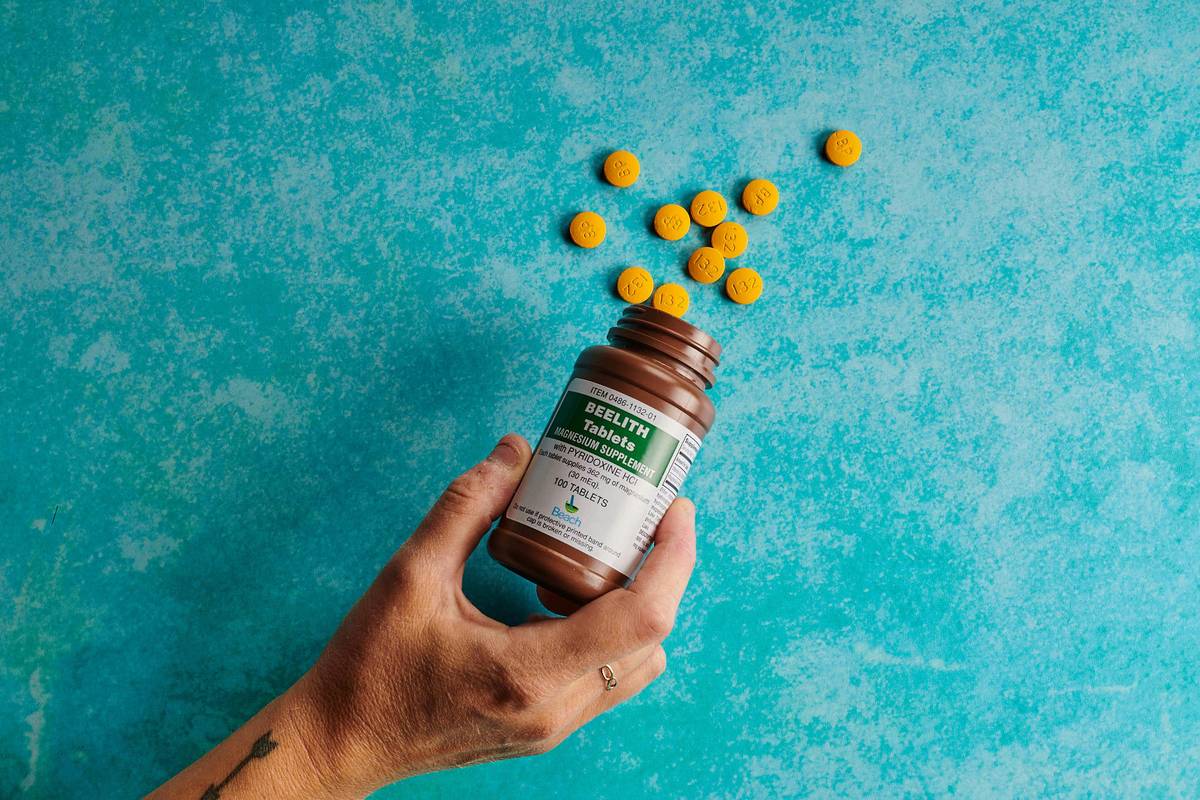
Take vitamin D with breakfast (with avocado or eggs). B vitamins? Lunch. Nighttime is for magnesium and zinc—both calm inflammation and support overnight repair. Miss this window, and efficacy plummets.
Avoid the “Beauty Blend” Trap
Many influencer-endorsed blends hide ineffective doses behind proprietary formulas. Demand transparency. 500mg of “collagen support complex” means nothing if it contains 2mg of actual biotin.
| Supplement Type | Minimum Effective Dose | Best Taken With | Visible Results Timeline |
|---|---|---|---|
| Vitamin D3 + K2 | 2000–5000 IU | Fatty meal (e.g., salmon, nuts) | 4–6 weeks |
| Zinc Picolinate | 15–30 mg | Lunch (to avoid nausea) | 2–3 weeks |
| Niacinamide (B3) | 25–50 mg | Morning smoothie | 3–4 weeks |
| Lycopene + Astaxanthin | 10–20 mg combined | Olive oil dressing | 6–8 weeks |
The Industry Secret: What Dermatologists Tell Influencers Off-Camera
Here’s the reality—most “dermatologist-recommended” lists are shaped by brand partnerships, not peer-reviewed science. But behind closed doors, the real experts whisper something different: stop chasing collagen pills.
Oral collagen peptides show modest benefits, yes—but only if baseline protein intake exceeds 1.6g/kg/day. Without that foundation? You’re wasting money. Instead, veteran dermatologists push vitamin C (for endogenous collagen synthesis) and silica (from horsetail extract)—two underrated players that actually rebuild dermal matrix structure from within.
And this: omega-7 (palmitoleic acid)? Rarely mentioned. Yet it modulates meibomian gland function—critical for preventing eye-area dryness that ruins concealer application. But you won’t see it in any viral TikTok haul.
FAQ: Real Questions From Makeup Artists & Skincare Enthusiasts
Can I replace skincare with vitamins?
No. Topicals treat surface issues; vitamins address root causes. Use both—they’re complementary, not interchangeable.
How long until I see results from an industry expert makeup dermatologist recommended vitamin?
Most notice subtle shifts in radiance within 2–3 weeks. Full texture changes take 6–8 weeks. Consistency is non-negotiable.
Are expensive supplements worth it?
Not always. Price ≠ potency. Look for third-party testing (NSF, USP), transparent dosing, and forms like methylcobalamin (B12)—not cyanocobalamin.