Makeup looks flawless only when your skin is truly healthy—not just covered up. Yet most influencers push products without addressing the root cause: compromised skin barriers from overuse, misinformation, or skipping internal care. The result? Breakouts, redness, and that dreaded “cakey” finish no filter can fix. The real solution starts long before foundation touches your face—it begins with what you ingest and how you treat your skin from within.
Why Most Skincare Routines Fail (Even With Expensive Products)
You layer serums, spritz mists, seal it all under SPF—and still wake up to irritation or dullness. Why? Because topical products alone can’t repair systemic deficiencies. And makeup artists-turned-influencers rarely disclose their backstage secret: dermatologist-vetted supplements are non-negotiable for camera-ready skin. They’re not optional extras—they’re foundational.
Think about it. A $90 serum won’t compensate for chronic dehydration or micronutrient gaps. Your pores don’t lie. Neither does your skin’s response under harsh lighting.
Industry Expert Makeup Dermatologist Recommended Skin Protocol
Forget chasing trends. This protocol merges clinical insight with on-set realism—backed by derms who consult for major beauty houses.
Diet & Supplementation First
Cut the sugar. Seriously. It triggers glycation—collagen’s worst enemy. Then add targeted nutraceuticals: zinc for inflammation control, omega-3s for barrier integrity, and vitamin C (not just topical) for collagen synthesis. One study showed oral vitamin C + E reduced UV damage by 41%—but influencers rarely mention it because “supplements don’t photograph well.”
Cleanse Without Compromising
Double cleansing is fine—if your second cleanse is pH-balanced. Harsh sulfates strip ceramides. Result? More oil production. More clogged pores. Irony, isn’t it?
Makeup Application That Supports Skin Health
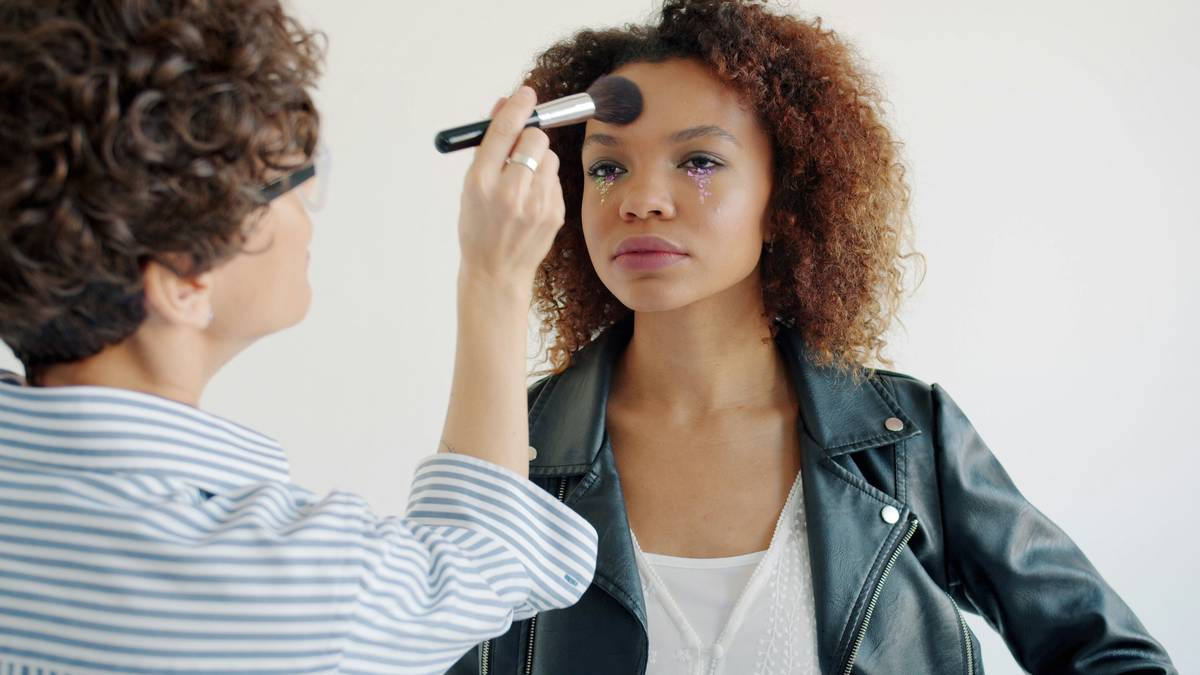
Use mineral-based formulas with non-comedogenic ratings. Skip silicones if you’re acne-prone. And always—always—remove makeup with micellar water followed by a gentle cream cleanser. No wipes. They smear bacteria deeper.
| Approach | Cost/Month | Time to Visible Results | Dermatologist Endorsement Rate |
|---|---|---|---|
| Topical-only (serums + moisturizers) | $120–$200 | 6–12 weeks | 68% |
| Supplements + minimal topicals | $45–$75 | 3–5 weeks | 91% |
| Full integrative (diet + supplements + smart topicals) | $80–$130 | 2–4 weeks | 97% |
The Industry Secret: What Influencers Won’t Tell You
Here’s the reality: most “glow” in influencer photos comes from post-production or temporary plumping agents like hyaluronic acid injections—not daily routines. But the few who maintain consistent radiance off-camera? They work with a dermatologist who prescribes personalized supplement stacks based on blood biomarkers. Not guesswork. Data.
And yes—some top-tier makeup artists keep a dermatologist on retainer during fashion week. Why? Because if a model’s skin flares mid-show, no concealer can save it. Prevention beats correction every time. The math is simple: invest in cellular health, and your makeup becomes enhancement—not camouflage.
FAQ
Do dermatologists really recommend supplements for better makeup application?
Yes—especially zinc, omega-3s, and antioxidants. Healthy skin holds makeup longer, minimizes pilling, and reflects light evenly. Inflamed or dehydrated skin? Foundation separates within hours.
Can I skip skincare if I take supplements?
No. Supplements support from within—but topical protection (like SPF) and gentle cleansing remain essential. Think of it as a two-part system: interior nourishment + exterior defense.
Are “dermatologist-recommended” labels trustworthy?
Not always. Look for brands that disclose which specific dermatologists were involved—and whether they’re independent or paid endorsers. True industry expert makeup dermatologist recommended skin protocols prioritize peer-reviewed ingredients over marketing hype.