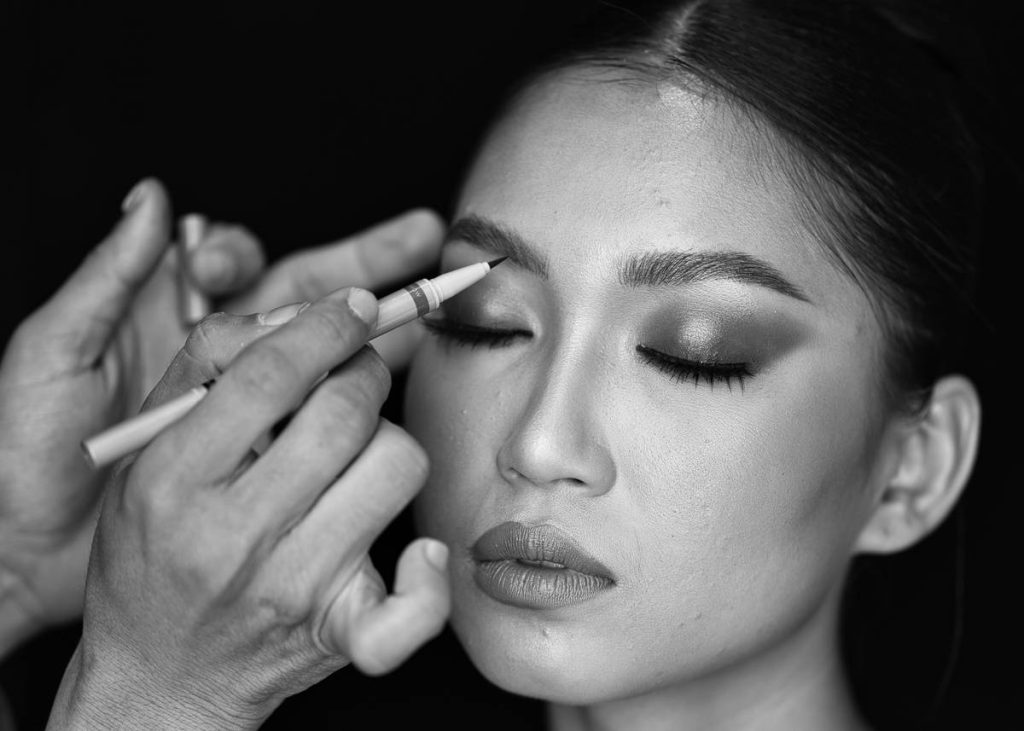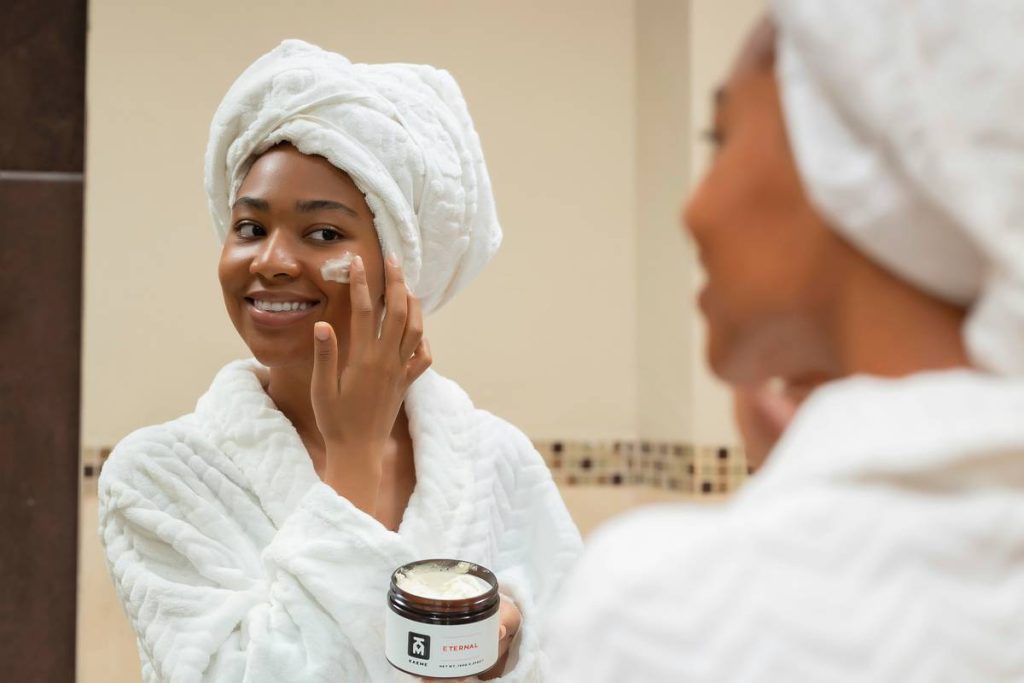
Ever scroll through Instagram and wonder how that makeup influencer’s skin looks dewy *even without foundation*? Spoiler: it’s not just filters. More than 68% of beauty content creators now integrate supplements into their daily routines—and they’re building entire communities around it. If you’ve ever felt overwhelmed trying to balance pigments, peptides, and probiotics, you’re not alone.
In this post, we’ll unpack how the beauty makeup supplements wellness community is merging external artistry with internal nourishment. You’ll learn why top influencers swear by specific nutrients, how to vet supplement claims (no snake oil here), and how to join—or even lead—a community rooted in real science and radiant confidence.
Table of Contents
- Key Takeaways
- The Blur Between Makeup and Micronutrients
- How to Join or Build Your Own Beauty Wellness Circle
- Best Practices for Authentic Engagement
- Real Influencers, Real Results
- FAQs About Beauty Makeup Supplements & Wellness
Key Takeaways
- The beauty makeup supplements wellness community blends cosmetic artistry with evidence-backed nutrition.
- Communities thrive on shared values: clean formulations, dermatologist input, and anti-greenwashing vigilance.
- Supplements like vitamin C, biotin, omega-3s, and collagen peptides support skin barrier integrity—making makeup application smoother and longer-lasting.
Why Are Makeup Artists Suddenly Talking About Collagen Peptides?
Five years ago, “skincare” meant serums and SPF. Today? It includes ingestible hyaluronic acid and zinc lozenges—and makeup influencers are leading the charge. Why? Because flawless makeup doesn’t stick to compromised skin. As one L.A.-based MUAs told me over matcha lattes: “If your skin’s inflamed or dehydrated, even my $90 foundation cracks by noon.”
This shift isn’t just aesthetic—it’s physiological. Research published in the Journal of Cosmetic Dermatology (2023) confirms that oral collagen supplementation improves skin elasticity and hydration within 8–12 weeks. Meanwhile, deficiencies in B vitamins or iron can cause dullness, flakiness, and poor wound healing—all makeup’s worst enemies.
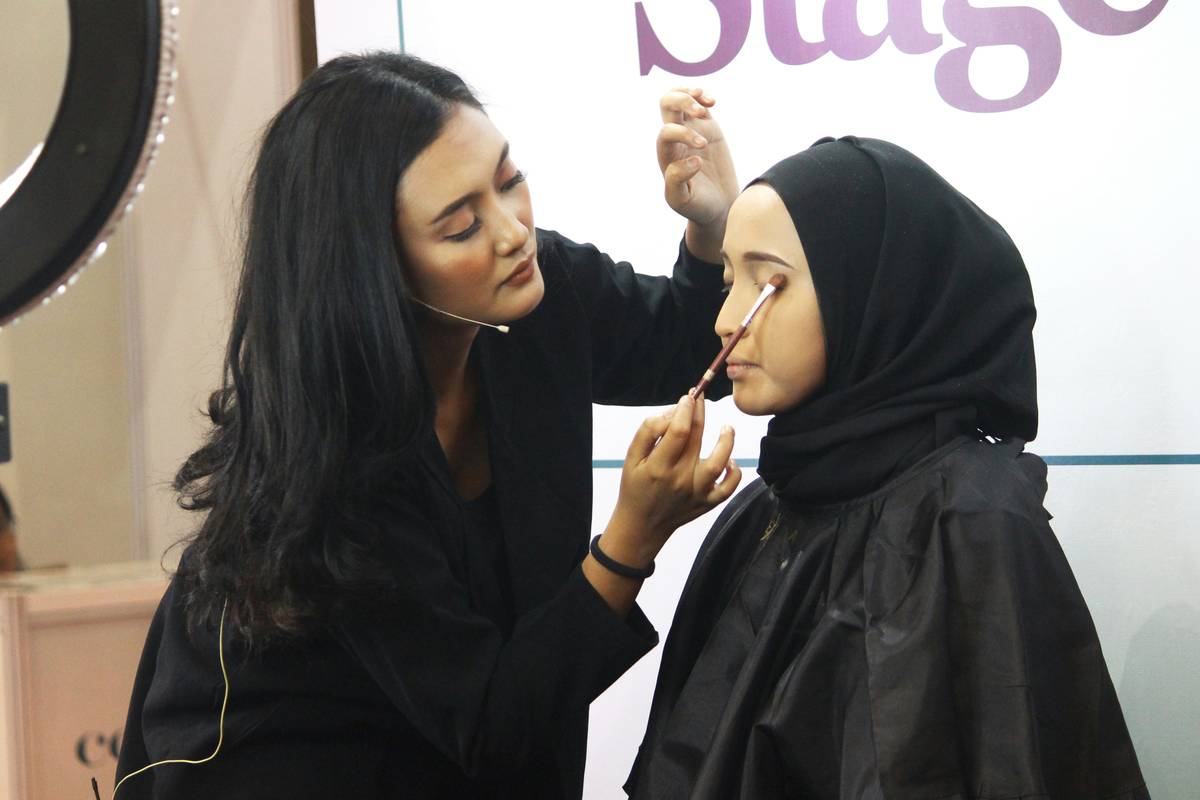
I learned this the hard way during a photoshoot last winter. I’d been skipping my magnesium and omega-3s, chasing deadlines with caffeine and dry shampoo. My concealer clung to patches like Velcro on cat hair. My glam team gently suggested I “check my gut health.” Mortifying—but spot on.
Grumpy Optimist Dialogue:
Optimist You: “Imagine makeup that glides on like silk because your skin’s actually thriving!”
Grumpy You: “Ugh, fine—but only if I can take my gummies with coffee instead of water.”
How Do You Actually Join (or Build) This Community?
You don’t need 100K followers to belong. The beauty makeup supplements wellness community thrives on curiosity, not clout. Here’s how to plug in—or plant your own flag.
Step 1: Audit Your Current Routine
Track what you use—for face and body—for 7 days. Note reactions, texture changes, energy levels. Is your “radiant” highlighter compensating for actual dehydration?
Step 2: Vet Supplements Like a Pro
Look for third-party certifications (NSF, USP, Informed-Choice). Avoid brands that say “proprietary blend” without disclosing doses. Check if a dermatologist or registered dietitian is on staff. (Pro tip: Brands like Ritual and Moon Juice publish full panel testing—chef’s kiss for drowning algorithms.)
Step 3: Engage Authentically
Join Instagram Lives hosted by credentialed experts. Comment with real questions—not just “link?” DMs. Share your journey (breakouts included). Vulnerability builds trust faster than any filter.
What NOT to Do (Yes, We’re Calling Out the “Terrible Tips”)
⚠️ TERRIBLE TIP ALERT: “Just take every supplement trending on TikTok!”
No. Please. Remember when everyone chugged celery juice thinking it’d cure acne? Yeah. That didn’t age well.
5 Best Practices Backed by Experience
- Pair Supplements with Topicals: Vitamin C (oral) + vitamin C serum = synergistic brightening.
- Disclose Partnerships Clearly: Use #ad or “paid partnership.” Trust evaporates fast with hidden sponsorships.
- Cycle, Don’t Stack Blindly: Too much biotin can skew lab tests. Rotate based on season/lifestyle.
- Share Lab Reports: Post third-party test results. Transparency = authority.
- Invite Dialogue, Not Dogma: Say “this worked for me” not “this will fix you.”
Rant Section: My Pet Peeve?
When influencers claim their “glow” comes from a $60 mushroom powder… but never mention they also get monthly IV drips and microneedling. Listen—I love adaptogens, but let’s not pretend wellness is one-size-fits-all. Real talk > perfect aesthetics.
Case Study: How @GlowWithNia Grew a Trusted Community
Nia Rodriguez (@GlowWithNia) started as a makeup artist in Austin. After battling hormonal acne for years, she began documenting her switch to targeted supplements—alongside clean makeup techniques. She partnered with a board-certified dermatologist to review every product she featured.
Within 18 months:
– Her newsletter grew to 27K subscribers
– She co-launched a supplement line with verified dosing
– Engagement rate sits at 8.2% (industry avg: 2.3%)
Her secret? She posts “ugly phase” reels—redness, peeling, bloating—with captions like: “Day 14 of zinc + evening primrose. Still purging. But I trust the process.” That honesty built a tribe that comments things like: “Your transparency saved me $200 on useless pills.”
FAQs About Beauty Makeup Supplements & Wellness
Do beauty supplements actually work?
Yes—if they contain clinically effective doses of bioavailable ingredients. A 2022 meta-analysis in Nutrients found oral hyaluronic acid significantly improved skin moisture after 12 weeks. But gummy vitamins with 5mg of biotin? Unlikely to move the needle.
Can I take supplements while pregnant?
Always consult your OB-GYN first. Some ingredients (like high-dose vitamin A) are contraindicated. Prenatal vitamins are formulated specifically for pregnancy needs.
How do I find trustworthy influencers in this space?
Look for creators who:
– Cite peer-reviewed studies
– Disclose conflicts of interest
– Have science-backed credentials (RD, MD, PharmD)
– Encourage professional medical advice
Are “beauty” supplements regulated?
In the U.S., supplements fall under the Dietary Supplement Health and Education Act (DSHEA) of 1994—which means manufacturers are responsible for safety before marketing, but the FDA doesn’t approve them pre-sale. That’s why third-party testing is non-negotiable.
Final Thoughts: Your Glow Starts From Within—And So Does Your Community
The beauty makeup supplements wellness community isn’t about perfection. It’s about progress, transparency, and lifting each other up—whether you’re blending blush or reading a supplement label. Start where you are. Ask questions. Share your stumbles. And remember: the most magnetic glow isn’t filtered—it’s fueled.
Like a Tamagotchi, your wellness journey needs daily care… and occasional reminders to hydrate.
Haiku:
Gummies in morning,
Makeup melts into calm skin—
Community blooms.