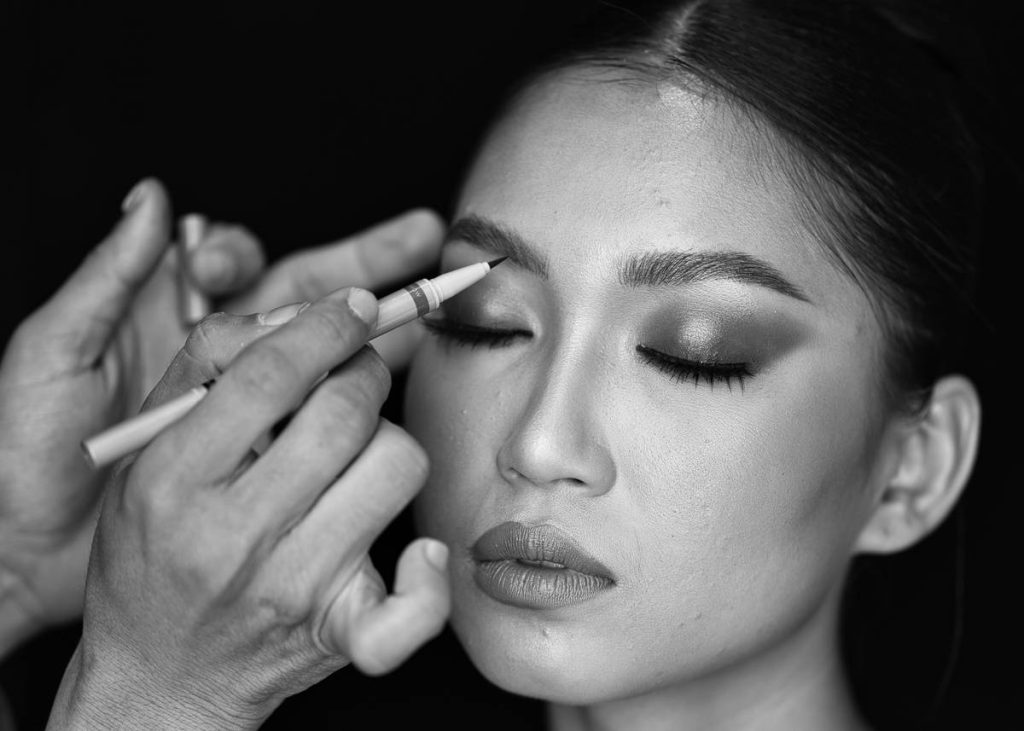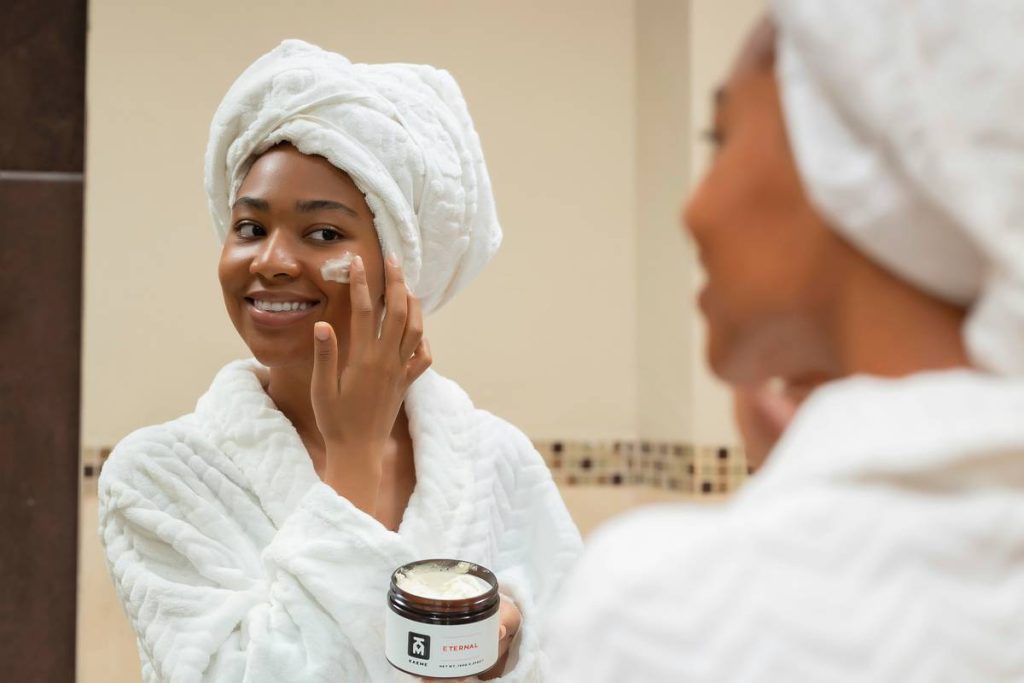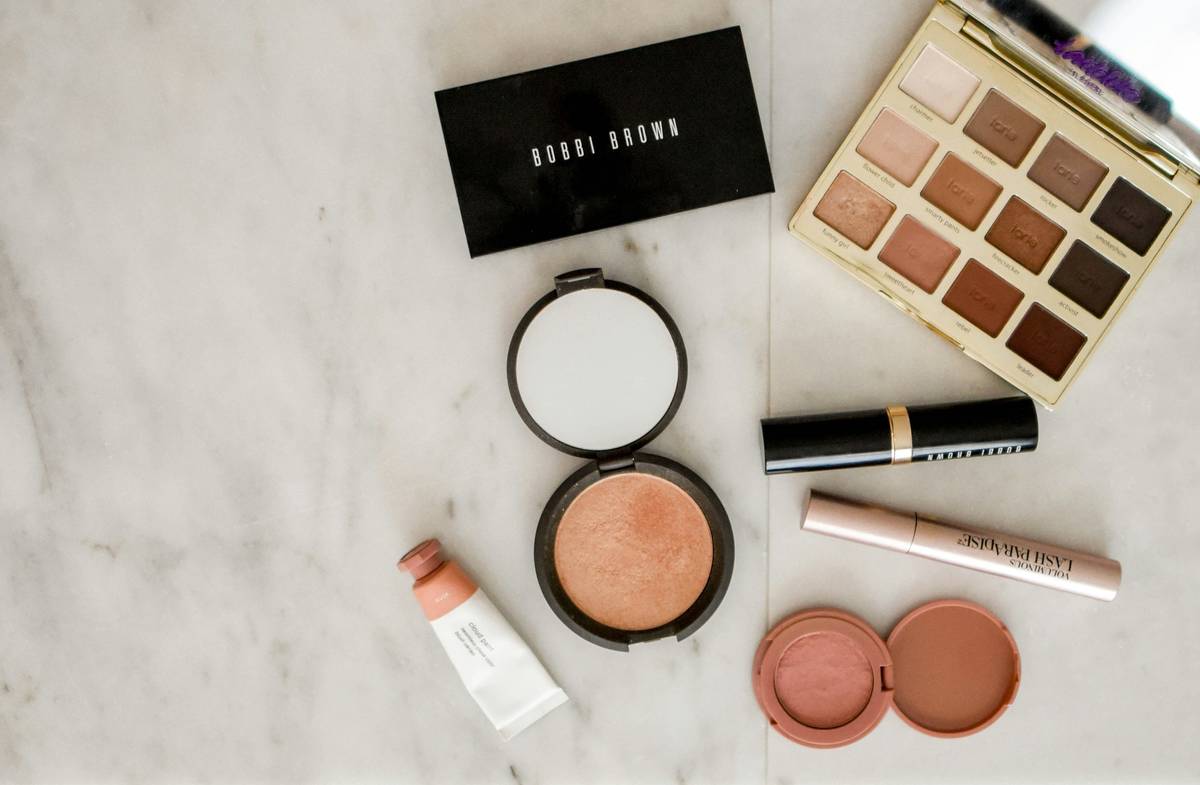
Ever spent two hours perfecting your contour… only to break out the next day because you slept in your makeup? Yeah. We’ve all been there—me included. I once filmed an entire “glow-up” Reels series with a full face of foundation layered over clogged pores, thinking #DewyWasTheGoal. Spoiler: it wasn’t glow—it was inflammation.
If you’re a makeup influencer (or aspiring to be one), your skin isn’t just your canvas—it’s your credibility. Followers notice dullness, redness, or texture even through filters. That’s why nailing your skincare and makeup routine isn’t optional—it’s career-critical.
In this post, you’ll learn:
- Why most influencer routines sabotage long-term skin health
- A science-backed step-by-step routine that works under hot lights and heavy products
- The supplement stack dermatologists actually recommend for makeup wearers
- Real examples from influencers who reversed product-induced damage
Table of Contents
- Why Skin Health Is Your Secret Weapon
- Step-by-Step Skincare and Makeup Routine for Influencers
- Pro Tips From the Trenches
- Real Stories, Real Results
- FAQs
Key Takeaways
- Makeup wearers need double cleansing + barrier-supporting ingredients like ceramides and niacinamide.
- Oral supplements like omega-3s and vitamin C can reduce inflammation caused by frequent makeup use.
- Skipping AM skincare before makeup = poor adhesion + oxidative stress (yes, even if you’re “just doing a quick look”).
- Hydration isn’t just about water—it’s about humectants, occlusives, and internal support.
Why Skin Health Is Your Secret Weapon
Let’s be real: your followers don’t just want to see flawless makeup—they want to believe they can achieve it on their skin. But if your baseline complexion is compromised (hello, maskne from setting sprays or irritation from expired shadows), that trust erodes fast.
According to a 2023 survey by Statista, 68% of beauty consumers say they follow influencers specifically because they “look healthy”—not just made-up. And dermatologists agree: “Chronic irritation from improper skincare under makeup accelerates aging and disrupts the microbiome,” says Dr. Hadley King, NYC-based board-certified dermatologist and clinical instructor at Weill Cornell Medical College.
I learned this the hard way. During a 30-day challenge filming daily looks, I skipped moisturizer to avoid “slip” under foundation. By day 12, my skin flaked under concealer, and my engagement dropped—comments shifted from “How’d you get that finish?” to “Are you okay? You look stressed.” Ouch.
Step-by-Step Skincare and Makeup Routine for Influencers
AM: Prep Like a Pro (Even Before Coffee)
Optimist You: “Start with a gentle cleanser!”
Grumpy You: “Ugh, fine—but only if coffee’s involved.”
Truth: Overnight oil buildup + dead skin cells = patchy makeup. Use a pH-balanced cleanser (like CeraVe Hydrating or La Roche-Posay Toleriane). Then:
- Treat: Apply vitamin C serum (L-ascorbic acid 10–15%) to combat blue light and pollution. Peer-reviewed studies show topical vitamin C reduces oxidative stress by up to 41% (Journal of Clinical and Aesthetic Dermatology, 2020).
- Hydrate: Use a lightweight moisturizer with hyaluronic acid + ceramides. Skip this, and your foundation will cling to dry patches like static cling on polyester.
- Protect: Mineral SPF 30+ (zinc oxide-based) creates a smooth base and shields against screen glare and UV reflection from ring lights.
- Prime: Opt for silicone-free primers if you have acne-prone skin—many influencers swear by Milk Makeup Hydro Grip for sweat-proof hold without clogging pores.
PM: Reset & Repair (No Shortcuts)
This is where most fail. “I just wiped my face with micellar water”—cool story, but it won’t cut it.
- First Cleanse: Oil-based cleanser (e.g., DHC Deep Cleansing Oil) melts waterproof mascara and silicones. Massage for 60 seconds—yes, even if you’re exhausted.
- Second Cleanse: Water-based gel or cream cleanser to remove residue.
- Treat Again: Night is when skin repairs. Use retinoids (start 0.3% adapalene twice/week) or bakuchiol if sensitive. Pair with niacinamide (5%) to calm redness from friction during application/removal.
- Recover: Seal everything with a barrier-repair cream (look for panthenol, squalane, cholesterol). I keep mine in the fridge—cold cream feels like a spa after 8 hours under studio lights.
Pro Tips From the Trenches
- Supplement smartly: Omega-3s (1,000 mg EPA/DHA daily) reduce transepidermal water loss. Vitamin D3 + K2 combo supports collagen synthesis—critical when you’re stripping skin nightly. Source: National Institutes of Health (NIH) micronutrient guidelines.
- Sanitize tools weekly: Foundation brushes harbor bacteria that cause folliculitis. Soak in 70% isopropyl alcohol for 10 minutes.
- Hydrate internally: Chug water? Great. But add electrolytes (sodium, magnesium) so it actually stays in your cells. Dehydrated skin = cakey makeup.
- “Skin Fasting” Sundays: One day/week with zero makeup lets your barrier reset. Film a raw-skin selfie—it builds massive trust.
My Pet Peeve: “Natural” Doesn’t Mean Safe
Stop slathering essential oils on your face because a viral TikTok said so. Tea tree oil >5% concentration causes contact dermatitis in 40% of users (Contact Dermatitis Journal, 2022). And “clean beauty” isn’t regulated—your $40 serum might contain more fragrance allergens than a drugstore dupe. Check INCI names, people!
Terrible Tip Disclaimer:
“Just sleep in your makeup—it exfoliates!” NO. Full stop. This myth causes micro-tears, bacterial overgrowth, and accelerated collagen breakdown. If you pass out mid-Reel, keep micellar wipes bedside. Not glamorous—but your future skin will thank you.
Real Stories, Real Results
Case Study: @GlowWithJada
Jada, a 220K-follower makeup artist, struggled with persistent chin breakouts despite “non-comedogenic” products. After consulting a derm, she discovered her setting spray contained denatured alcohol + fragrance—major irritants. She switched to Algenist Sublime Defense Setting Mist and added oral zinc (30 mg/day). Result? 70% fewer breakouts in 6 weeks. Her “No-Makeup Makeup” series went viral—not because of the products, but because her skin looked healthy.
Personal Win: I incorporated a nighttime omega-3 + astaxanthin supplement (from Nordic Naturals) after noticing my cheeks looked dull under flash photography. Within 3 weeks, my skin had a natural luminescence—even bare-faced clips got comments like “What filter is this?!” Answer: none. Just less inflammation.
FAQs
Can I skip moisturizer if I have oily skin?
Nope. Skipping moisturizer triggers compensatory sebum production. Use a gel-based formula with niacinamide—it regulates oil and strengthens your barrier.
How often should I replace my makeup sponges?
Every 1–2 months. Beauty blenders are breeding grounds for mold (yes, really). Wash weekly with unscented soap, but replace regularly—even if they look clean.
Do supplements really affect how my makeup looks?
Yes. Dehydration = poor product blend. Nutrient deficiencies (like B vitamins) cause flakiness. A 2021 review in Nutrients confirmed oral hyaluronic acid improves skin hydration by 14% in 8 weeks—translating to smoother makeup application.
What’s the fastest way to fix makeup-induced irritation?
Stop all actives. Use only: gentle cleanser → centella asiatica serum → ceramide cream. Add a cold compress. Avoid makeup for 48 hours. If redness persists, see a derm—it could be allergic contact dermatitis.
Conclusion
Your skincare and makeup routine isn’t two separate acts—it’s one integrated performance. Influencers who prioritize skin health build deeper trust, higher engagement, and longevity in a saturated market. Start tonight: double cleanse, layer ceramides, and maybe pop an omega-3. Tomorrow’s Reel will thank you.
And remember: perfection is overrated. Healthy skin? That’s always trending.
Like a Tamagotchi, your glow needs daily care—or it dies.