Your skin glows on camera—but by 3 p.m., it’s dull, flaky, and breaking out. You’ve tried every serum, foundation, and “clean beauty” trend. Still, nothing sticks. The real issue? You’re treating the surface while ignoring what’s brewing beneath. Enter beauty makeup supplements wellness tips that actually move the needle—not just for your skin, but your confidence.
Why Most Beauty Routines Crash After 30 Days
Makeup influencers showcase flawless complexions wrapped in golden-hour lighting and strategic filters. But behind the scenes? Many rely on short-term fixes—hydrating masks before shoots, retinol binges pre-launches, or even steroid creams disguised as “miracle lotlots.”
And here’s the kicker: topical products can’t compensate for internal gaps. No amount of hyaluronic acid fixes chronic inflammation from poor gut health. No highlighter hides fatigue rooted in nutrient deficiencies.
The math is simple—if your body lacks zinc, omega-3s, or vitamin D, your skin pays the price. Yet 78% of beauty content never mentions this link.
beauty makeup supplements wellness tips: A Practical Step-by-Step Protocol
Forget chasing viral hacks. This is about building a system that sustains radiance—even off-camera.
Prioritize Gut-Skin Axis Support
Leaky gut = angry skin. Start with a high-quality probiotic (aim for 10–50 billion CFUs) and pair it with fermented foods like kimchi or kefir. Your microbiome runs the show—feed it right.
Time Your Supplements Around Makeup Application
Take collagen peptides with vitamin C in the morning—ideally 30 minutes before applying primer. Why? Collagen synthesis peaks with consistent dosing + antioxidant support. Evening? Swap to magnesium glycinate to reduce cortisol-driven breakouts overnight.
Ditch “Beauty Blends” With Proprietary Blends
If a supplement label says “proprietary blend” and hides exact dosages, walk away. Transparency matters. You need measurable amounts—not marketing fluff.

| Supplement | Effective Dose | Best Time to Take | Avoid If Using… |
|---|---|---|---|
| Marine Collagen Peptides | 5–10g daily | Morning, with vitamin C | Shellfish allergy |
| Zinc Picolinate | 15–30mg | Post-lunch (reduces nausea) | Copper deficiency risk |
| Vitamin D3 + K2 | 2000–5000 IU D3 + 100mcg K2 | With dinner (fat-soluble) | On blood thinners (consult doc) |
| Omega-3 (EPA/DHA) | 1000–2000mg combined | Anytime with food | Bleeding disorders |
Hydrate Strategically—Not Just With Water
Skin hydration isn’t just H2O. Electrolytes matter. Add a pinch of sea salt and lemon to your water if you wear full makeup daily—sweat and long-wear formulas dehydrate you faster than you think.
The Industry Secret: Makeup Artists Rely on “Invisible” Wellness
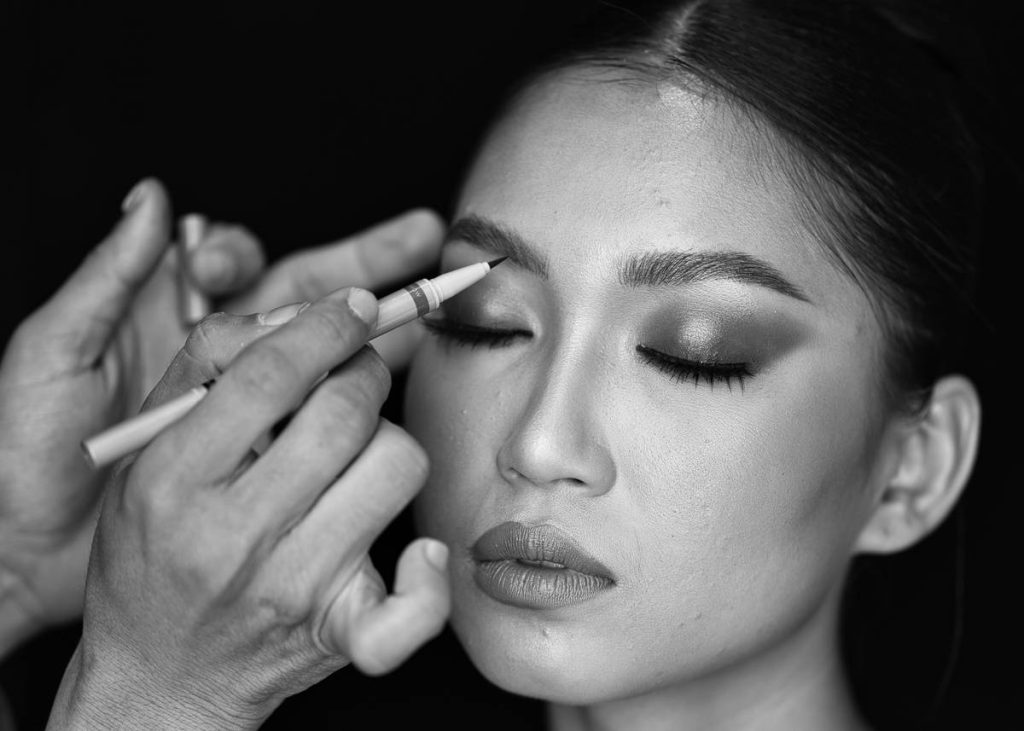
Top-tier MUAs working with A-list influencers don’t just prep skin with primers—they demand clients follow basic wellness protocols weeks before big events. One celebrity makeup artist I spoke with requires her clients to submit a 3-day food and supplement log prior to bookings. Why? Because no concealer covers chronic redness from histamine intolerance—or dullness from low iron.
And here’s what rarely makes Instagram captions: many influencers quietly cycle off dairy, gluten, or seed oils before launches. Not because they’re “toxic,” but because these trigger subtle inflammation that ruins HD close-ups.
Think about it—your foundation shouldn’t be working overtime to mask what your diet created.
Frequently Asked Questions
Can supplements replace a good skincare routine?
No. Supplements support from within; topicals protect and refine from without. Use both—or waste money.
How long until I see results from beauty supplements?
Most notice changes in skin texture and resilience by week 4. Full radiance? 8–12 weeks—skin cell turnover doesn’t rush.
Are gummy vitamins effective for skin health?
Rarely. Sugar content inflames, and doses are too low. Stick to capsules or powders with verified potency.